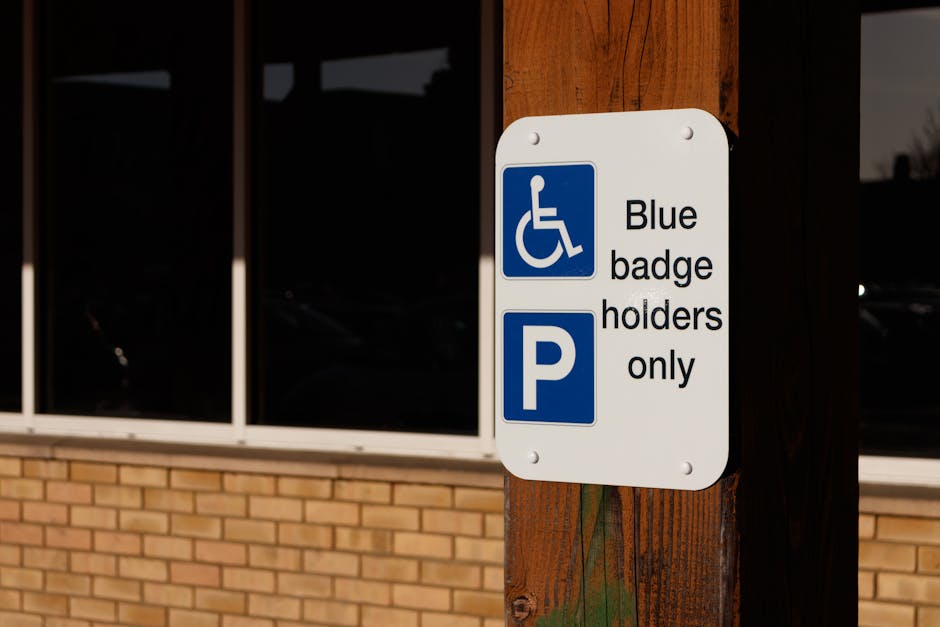
Lambeth Council Parking Permits for Kennington Removals: A Practical Guide for a Smoother Move
Moving home in Kennington can feel strangely simple right up until the van arrives and the parking situation becomes the whole story. Space is tight, streets are busy, and one missed permit detail can throw the day off before the first box is lifted. That is exactly why understanding Lambeth council parking permits for Kennington removals matters. A little planning here can save time, reduce stress, and keep your move from turning into a queue of double-parking, apologetic phone calls, and people carrying a sofa half a street farther than they expected.
This guide explains how the permit process usually works in practical terms, who needs to think about it, what can go wrong, and how to build a calm, realistic removals plan around it. If you are organising a move in Kennington, or helping someone else do it, this is the sort of detail that makes moving day feel more under control. And honestly, that alone is worth a lot.
Table of Contents
- Why Lambeth council parking permits for Kennington removals Matters
- How Lambeth council parking permits for Kennington removals Works
- Key Benefits and Practical Advantages
- Who This Is For and When It Makes Sense
- Step-by-Step Guidance
- Expert Tips for Better Results
- Common Mistakes to Avoid
- Tools, Resources and Recommendations
- Law, Compliance, Standards, or Best Practice
- Options, Methods, or Comparison Table
- Case Study or Real-World Example
- Practical Checklist
- Conclusion
- Frequently Asked Questions
Why Lambeth council parking permits for Kennington removals Matters
Kennington sits in one of those parts of London where parking is never just parking. It is time, access, vehicle size, pedestrian flow, controlled parking zones, and the occasional awkward loading bay all rolled into one. For removals, that matters because a van that cannot stop near the property turns every part of the job into a longer one. Heavy items take longer to move. Crews get tired more quickly. Neighbours get irritated faster. The whole day starts to fray at the edges.
A permit is not just a formality. It is a way of making sure the removals vehicle can legally and practically stop where it needs to stop. In a busy area like Kennington, that often means the difference between a neat, efficient unload and a stressful shuffle from one side of the road to the other. To be fair, many people only think about parking once the van is already on the way. That is usually when the useful lesson lands a bit late.
There is also the matter of risk. Without the right parking arrangement, the driver may need to find a distant legal space, keep circling, or stop somewhere inconvenient and hope for the best. None of those choices are great on a moving day. If you are trying to protect furniture, timings, and nerves all at once, parking should be treated as part of the move itself, not an afterthought.
For many households, the smartest approach is to build parking into the removals plan alongside packing, access, and timings. If you are comparing moving services or planning the job around a tight schedule, it can also help to review the company's pricing and quotes information early, because parking constraints can affect the overall time and vehicle planning. You may also want to look at the company's health and safety policy and insurance and safety information so you know how access and site safety are handled on the day.
How Lambeth council parking permits for Kennington removals Works
In practical terms, parking for removals usually means arranging lawful vehicle access close to the property for a limited period. The precise process can vary depending on the street, the type of bay available, any local restrictions, and whether the move is happening in a resident permit zone, single yellow line area, loading bay, or a place with suspended parking. That sounds complicated, and sometimes it is. But the logic is straightforward: if a large vehicle needs to stop, the stop needs to be permitted in the right place at the right time.
For Kennington removals, the key is to identify the exact street conditions well before moving day. Is the van likely to use the front of the property? Is there any bay directly outside? Will the vehicle block access if it stands there too long? Is there any restriction during the time window you need? These are the questions that matter. The answer determines whether you are dealing with a simple loading arrangement or something more involved.
A good removals plan usually starts with a quick street check and ends with a clear booking window. You want the van to arrive when parking is actually available, not when the driver is left improvising. If multiple addresses are involved, such as a flat clearance, a storage stop, or a two-stage house move, the permit and parking plan needs to be even tighter. No drama is needed, just clarity.
There is also the distinction between a parking permit for the vehicle and any access permissions needed for the property itself. A removals team can often work around narrow hallways, stairs, or tight communal entrances, but parking cannot be "worked around" quite so easily. That is why permit planning deserves proper attention from the start.
Key Benefits and Practical Advantages
There are a few real-world benefits to getting the parking side sorted properly, and they are not abstract. You feel them on the day.
- Faster loading and unloading: when the van can park close to the property, crews move items more efficiently.
- Reduced manual carrying distance: fewer metres on foot means lower risk of knocks, drops, and fatigue.
- Less disruption to neighbours: a managed stop is usually calmer than repeated repositioning or obstruction.
- Lower chance of delay: time lost hunting for parking is time not spent moving.
- Better planning for bulky items: wardrobes, mattresses, white goods, and fragile furniture are easier to handle when access is direct.
- More accurate scheduling: once parking is clarified, the whole move becomes easier to time.
There is another advantage people underestimate: confidence. When the parking question is answered, the move feels less like a chain of unknowns. You know where the van can stop. You know when it can stop. You know what the crew is working with. That steady sense of control is helpful, especially if you are juggling keys, broadband changes, school runs, or a landlord handover all in the same week.
If you are also thinking about what happens to packing waste, broken boxes, or items not worth taking, it may help to check a company's recycling and sustainability approach. It is a small thing, but on moving day small things do pile up.
Who This Is For and When It Makes Sense
This topic is relevant to quite a wide range of movers, not just people in large family homes. In Kennington, parking arrangements matter for studio flats, maisonettes, terraced houses, shared homes, and clearances just as much as they do for bigger properties. If a van needs to stop near the property and the street space is limited, you should think about permits or parking control.
It makes particular sense if:
- you are moving from a street with resident restrictions or limited bay space;
- you live on a narrow road where a van could obstruct traffic;
- you have heavy or awkward furniture to move;
- you are moving on a weekday, when parking pressure is often higher;
- you are coordinating with cleaners, landlords, or estate agents and need a tight handover window;
- you are using a removals van rather than a small car or personal vehicle.
It also makes sense if you are helping a relative or friend move and you want to avoid the classic "we thought it would be fine" moment. Let's face it, that phrase causes more moving-day trouble than almost anything else.
If the move is being handled by a professional removals company, the parking question should be raised early. A good operator will usually want clear access details before confirming the job properly. If you are still comparing providers, their about us page can help you judge whether they present themselves clearly and work in a way that suits your move. For support or a direct conversation, the contact us page is the sensible next step.
Step-by-Step Guidance
Here is the simplest way to approach Lambeth council parking permits for Kennington removals without making it more complicated than it needs to be.
- Check the exact move addresses. Start with both the current and new property. Street layout, bay types, and access points matter more than postcode assumptions.
- Assess the vehicle size. A small van and a larger removal lorry do not have the same parking needs. Be honest about the vehicle likely to be used.
- Review the street conditions. Look for yellow lines, bays, loading restrictions, and any signs that affect stopping times. If you can visit at the same time of day as the move, even better.
- Identify the best stopping point. The nearest legal space is usually the goal, but sometimes a slightly different loading position is more realistic.
- Plan the timing window. Do not assume the van can arrive whenever it wants. Time it around the local parking rules and the crew's route.
- Confirm any permit or suspension requirement early. Leave room for processing, coordination, and the occasional admin hiccup.
- Share the access details with the removals team. Tell them about stairwells, restrictions, communal entrances, and any awkward corners.
- Have a backup plan. If the preferred space is unavailable, know where the next lawful option is.
That last point matters more than people think. Sometimes the first-choice parking spot is taken by a neighbour's car, a delivery vehicle, or something you could not reasonably predict. A backup plan keeps the day moving. Not perfectly, maybe, but moving.
Expert summary: For Kennington moves, the best outcomes usually come from early parking checks, clear communication with the removals team, and a realistic backup option if the first space is unavailable.
Expert Tips for Better Results
From a practical removals point of view, a few habits make a noticeable difference.
1. Treat parking as part of the quote, not separate from it
If parking is difficult, the crew may need more time, a different vehicle plan, or extra access support. That can influence pricing and scheduling. It is better to surface that upfront than to leave it for moving day when nobody wants surprises.
2. Photograph the street setup before the move
A couple of phone photos can be surprisingly useful. They help you remember bay signs, road widths, or obstacles that were easy to forget on a rainy Tuesday evening. And yes, London weather has a way of making simple things feel less simple.
3. Keep contact details ready
If a driver or coordinator needs to reach you because a parking bay is occupied or access changes, fast communication saves the day. Slow replies are where movement turns into waiting.
4. Make the loading zone as neat as you can
Even when parking is sorted, a cluttered hallway or blocked doorway slows everything down. Boxes should be grouped, fragile items labelled, and anything you are keeping separate should be easy to identify.
5. Build in a small time cushion
Traffic, lift issues, and parking changes can eat ten or fifteen minutes before anyone notices. A sensible cushion helps the whole move breathe a bit.
If you want reassurance about booking terms or how payments are handled, review the company's payment and security information and terms and conditions. That is not the exciting part of a move, I know, but it does help keep expectations tidy.
Common Mistakes to Avoid
Some of the most common problems are small at first and then suddenly not small at all.
- Leaving parking planning until the last minute. This is the classic one. By the time people realise the van needs a place, the available options are slimmer.
- Assuming a normal car parking space is enough. A removal vehicle is not a hatchback. It needs more room, and usually more thought.
- Not checking the exact street restrictions. A bay on one side of the road may have very different conditions from the opposite side.
- Forgetting about delivery or refuse collection days. Those can complicate access in ways that are easy to miss.
- Failing to tell the removals team about access issues. A crew can work around a lot, but they cannot plan for what they do not know.
- Ignoring nearby construction or temporary road use. Even minor works can reduce available stopping space.
There is also a quieter mistake: assuming a permit guarantees perfection. It does not. It improves the odds, but street conditions can still change. A parked car can appear. A bay can be blocked. A neighbour can be loading unexpectedly. You still need a bit of flexibility. That is just city life, really.
Tools, Resources and Recommendations
You do not need a full project management setup to move house, but a simple set of tools does help.
- A notes app or checklist: keep permit-related details, parking dimensions, and contact names together.
- Street photos: useful for remembering signs, bay locations, and access constraints.
- Calendar reminders: helpful for permit deadlines, packing milestones, and key handover times.
- Box labels: make the unloading side cleaner and quicker, especially if the van has limited parking time.
- Direct communication with the removals provider: the quickest way to clear up parking uncertainty.
For many people, the next sensible step is simply to ask for a written quote once the parking and access details are known. A company that understands local moves should be able to factor in the conditions realistically. If you want to compare options, start with pricing and quotes and then use the other trust pages to check the basics. It is a boring phrase, but a useful one: read the small print.
You can also review the business's insurance and safety information if you want confidence around handling, loading, and property protection. For more on how the company presents itself and handles customer care, the complaints procedure is worth a look too. Ideally you never need it. Still, it is good to know it exists.
Law, Compliance, Standards, or Best Practice
Parking arrangements for removals touch on local parking controls, highway access, and ordinary road-use common sense. The exact permit requirements and restrictions depend on the street and the local authority's current rules, so it is wise not to guess. If the move is on a controlled road, you should confirm what is allowed before assuming a van can stop there legally.
Best practice in this area is simple: use lawful parking, follow posted restrictions, and give yourself enough time to arrange access properly. If a loading bay, resident bay, or parking suspension is involved, treat it as part of the moving plan rather than a separate admin task. That keeps everyone safer and reduces the chance of a rushed decision on the day.
There is also a practical safety dimension. A removals van parked badly can create hazards for pedestrians, cyclists, and other road users. In a place like Kennington, where streets can be busy and movement constant, the safer choice is usually the better choice too. Nothing glamorous there, just good judgement.
If you have questions about a provider's standards, it is reasonable to check their health and safety policy, insurance and safety information, and terms and conditions before booking. That helps you understand responsibilities, limitations, and what happens if the plan changes.
Options, Methods, or Comparison Table
There are usually a few ways to handle parking for a removal in Kennington. The right option depends on the street, the vehicle, and how much time you have to organise things.
| Approach | Best for | Pros | Limitations |
|---|---|---|---|
| Direct street parking near the property | Shorter, simpler moves with good space availability | Fast loading, less carrying, easy supervision | Not always available in busy areas |
| Managed permit or controlled parking arrangement | Moves in restricted streets or busier zones | More reliable access, clearer planning | Requires advance organisation and timing |
| Remote parking with longer carry distance | When close access is not possible | Sometimes the only realistic choice | Slower, more tiring, higher risk of delay |
| Two-stage unloading with smaller vehicle access | Tight streets or limited loading opportunities | Can solve difficult access problems | More handling, more planning, possibly more time |
In real life, there is no perfect universal method. A quiet side street on a weekday morning is a very different problem from a busy road at school-run time. The best approach is the one that fits the street, not the one that sounds neat on paper.
Case Study or Real-World Example
Imagine a couple moving out of a flat in Kennington on a Friday morning. They have a sofa, a bed frame, several boxes of books, and a fridge freezer that looked manageable until it had to go down a staircase. The street has limited parking, and the nearest bay is often busy with residents' cars. At first they think the van can just "pull in somewhere nearby." That, as it turns out, is the sort of sentence people remember later with a wince.
Instead, they check the street layout a few days ahead, confirm where the van can legally stop, and provide the removals team with access notes. On moving day the van arrives when the space is available, the crew parks close enough to avoid a long carry, and the larger items are out within the planned window. Nothing magical. Just preparation doing its quiet job.
The interesting part is not that the move was perfect. One box got labelled late, and someone nearly left the kettle behind. Classic. But the parking side stayed under control, so those small hiccups did not become a bigger problem. That is what good parking planning does. It gives the move room to breathe.
Practical Checklist
Use this checklist before moving day. It is simple, but it catches a lot of avoidable issues.
- Confirm the exact moving date and time window.
- Check whether the van needs a permit, loading bay access, or another parking arrangement.
- Review the street signs at both properties.
- Measure or estimate access width if the road is tight.
- Tell the removals team about stairs, lifts, gates, and communal entrances.
- Agree a backup parking option if the first choice is blocked.
- Prepare keys, fobs, and access codes in advance.
- Keep a phone charged and available on the day.
- Separate fragile, valuable, and essential items.
- Confirm booking details, pricing, and payment expectations.
Quick reality check: if any part of the parking plan feels vague, it probably needs one more look. A few minutes of checking now can save a very long morning later.
Conclusion
Lambeth council parking permits for Kennington removals are not the most glamorous part of moving house, but they are one of the most useful things to get right. In a busy part of London, access and parking can shape the entire pace of the day. When you plan them properly, the rest of the move usually feels calmer, smoother, and more predictable.
The safest approach is simple: check the street conditions early, understand what parking arrangement is needed, share the details with your removals team, and keep a backup plan in reserve. That combination is often enough to turn a stressful day into a manageable one. Not effortless, perhaps. But manageable. And that counts for a lot.
If you are still at the planning stage, it is worth reviewing your move alongside the practical details that affect the job as a whole, from access and safety to pricing and payment. A little organisation now goes a long way later.
Get a free quote today and see how much you can save.
And if you do nothing else today, just make sure the van has somewhere sensible to stop. The rest tends to follow.
Frequently Asked Questions
Do I need a parking permit for removals in Kennington?
Often, yes, if the van needs to stop in a restricted area, resident bay, or another controlled space. The exact need depends on the street, the type of parking available, and the timing of the move. It is always better to check the local restrictions rather than assume a van can simply park outside.
How far in advance should I sort out parking for a move?
As early as you reasonably can. For busy streets and controlled parking areas, leaving it to the last minute is a common source of stress. A few days of lead time is far better than a same-day scramble.
Can a removals van just stop briefly without a permit?
Sometimes a short stop may be allowed for loading, but that depends on the road markings and local restrictions. You should not rely on brief stopping unless you know the rules for that exact location. A bad assumption here can create delays or penalties.
What happens if the parking space is already taken on moving day?
You need a backup plan. That might mean using the next lawful space, waiting briefly, or adjusting the loading point. Good communication with the removals team helps a lot here, because nobody enjoys improvising under pressure.
Does parking affect the cost of a removals job?
It can. Difficult access, longer carrying distances, and timing constraints may all affect the time needed for the move. The cleanest way to handle this is to explain the parking situation upfront when asking for a quote.
What should I tell the removals company about parking?
Tell them the street name, any visible restrictions, the likely parking position, and anything that could affect loading. Mention narrow roads, yellow lines, nearby bay signs, or obstacles like temporary works. The more accurate the detail, the better the plan.
Are parking permits the same for every street in Lambeth?
No, they are not. Parking conditions can differ from one street to the next, and sometimes even between opposite sides of the same road. That is why checking the exact location matters so much.
What if my move is only a small flat move?
Parking still matters if the van needs to stop close by. Smaller moves can be quicker, but they can still be delayed by poor access. In some cases, the smaller the move, the more tempting it is to under-plan the parking side. That is a mistake worth avoiding.
How do I know whether the street is suitable for a removal van?
Look at the road width, parking layout, signage, and traffic flow. If the street feels tight for an ordinary car, it will usually feel much tighter for a van. When in doubt, ask the removals team for a view based on the vehicle size.
Can I combine parking planning with other moving tasks?
Yes, and you should. Parking planning works best when it sits alongside your packing schedule, key handover, and utility changeover. It is all part of one move, after all. Keeping those pieces connected makes the whole day easier to manage.
What is the most common mistake people make with removal parking?
Leaving it too late. People often focus on boxes and forget the vehicle access until the last moment. Then the van arrives, the street is busy, and suddenly everyone is doing sums in their head. Best to avoid that little drama.
Where can I ask about booking, access, or service details?
You can use the company's contact page for direct questions, or review the pricing and quotes page if you are still comparing options. If you want more background on the company itself, the about us page is also useful.